Describing AI Agents as digital workers who are members of your digital workforce is great marketing. It is also dehumanizing. Analogy is a powerful tool to explain innovation. Referring to something we already know and understand makes it easier to conceptualize novel ideas. There are certainly similarities between tasks currently done by human workers and tasks AI Agents promise to do. Much like human workers, AI Agents have goals, rules to follow, and actions that they take. So, it’s not a bad comparison in this regard.
The problem lies in how we manage our workforce and, at a deeper level, how we value human life. Even without AI in the mix, it is difficult to connect org charts and headcount spreadsheets to real human beings. The more distance and abstraction there is, the harder it is for leaders to be empathetic to the people behind those numbers. Businesses will, of course, have to or choose to make decisions about their workforce that have negative consequences for people. That is reality. But it is in humankind’s best interest to make those staffing decisions with as much humanity as possible.
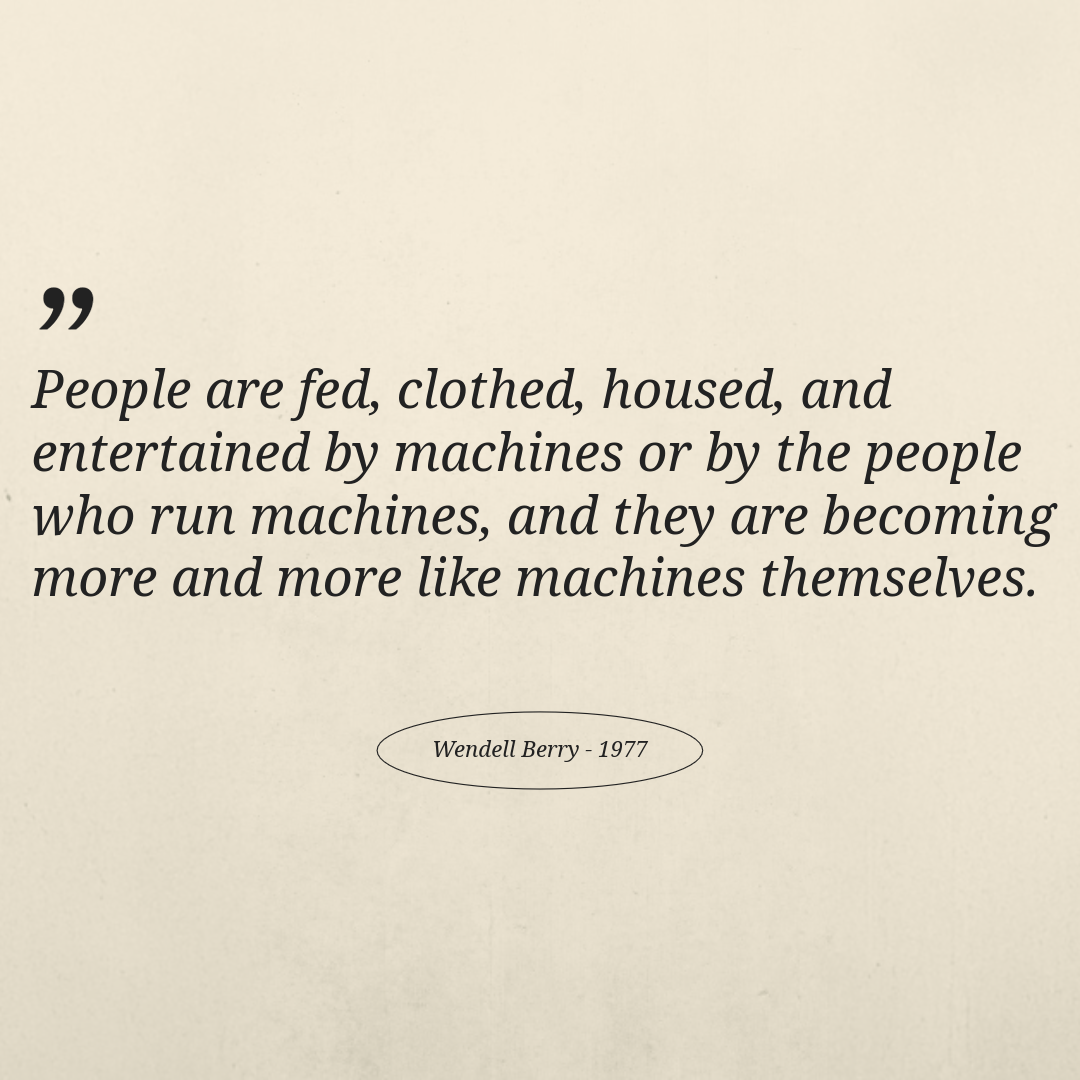
We frequently anthropomorphize AI systems and elevate our perception of their capabilities to the equivalent of human intelligence. Making AI Agents part of the workforce isn’t elevating AI; it is reducing humans. Traditionally, a business has managed its spending on people and resources separately. This makes sense because they are different things. When typewriters came along, they added a lot of efficiency, but we didn’t add them to the org chart. A webserver does its magic independently, but we don’t account for its cost side by side with people. AI Agents promise to do many new and wonderous tasks. Their capabilities will replace people in some jobs. Still, at the end of the day, AI Agents are just another tool. For our own sake, we should be careful about the language that we adopt to describe them. Our choices, and we do have choices, will have real consequences.