Do you find yourself preparing for the new world of AI? Are you learning how to prompt? Are you trying to figure out how your job will change and what skills you will need to have? You should be.
But you should also understand the ethics of AI. Where is this data coming from? Who decides what labels are used? What decisions can tolerate the mistakes of AI? What resources are we using to build and power the data centers running AI workloads? Who benefits and who suffers?
Here are some books to check out:
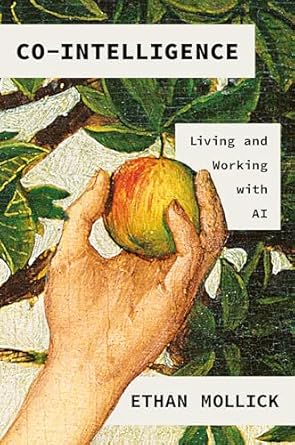 | Co-Intelligence: Living and Working with AI by Ethan Mollick. Start here if in doubt A great first book for an introduction to generative AI and its potential impact on our world. Very much worth reading even if you have experience working with AI or have read other books in the AI space. |
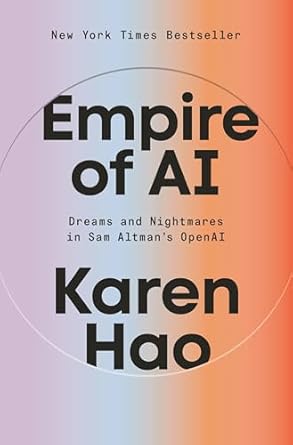 | Empire of AI: Dreams and Nightmares in Sam Altman’s OpenAI A History of the people and events that shaped OpenAI. A perspective that large language models are an extractive technology. Much like colonial empires benefited from the riches of their colonies without giving much in return, AI companies exploit many resources that cannot easily protect themselves. |
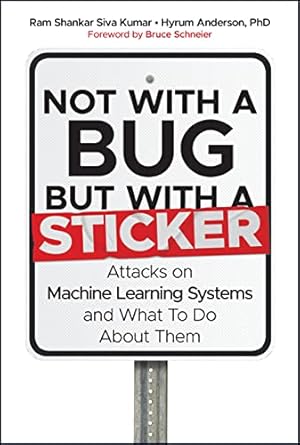 | Not with a Bug, But with a Sticker: Attacks on Machine Learning Systems and What To Do About Them by Ram Shankar Siva Kumar and Hyrum Anderson Very powerful AI systems can still be brittle in certain areas. Learn about the history of adversarial attacks on machine learning systems and why security is often an afterthought. |
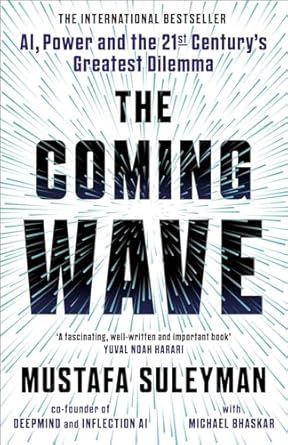 | The Coming Wave by Mustafa Suleyman An eye-opening look at all the many potential technical advances (more than just AI) that all appear to be poised to crash over us in short order. This book will help you understand why this current technical revolution will be so transformative and disruptive to society. The prospect of achieving containment only by walking a narrow path through the fog did not leave me feeling hopeful. |
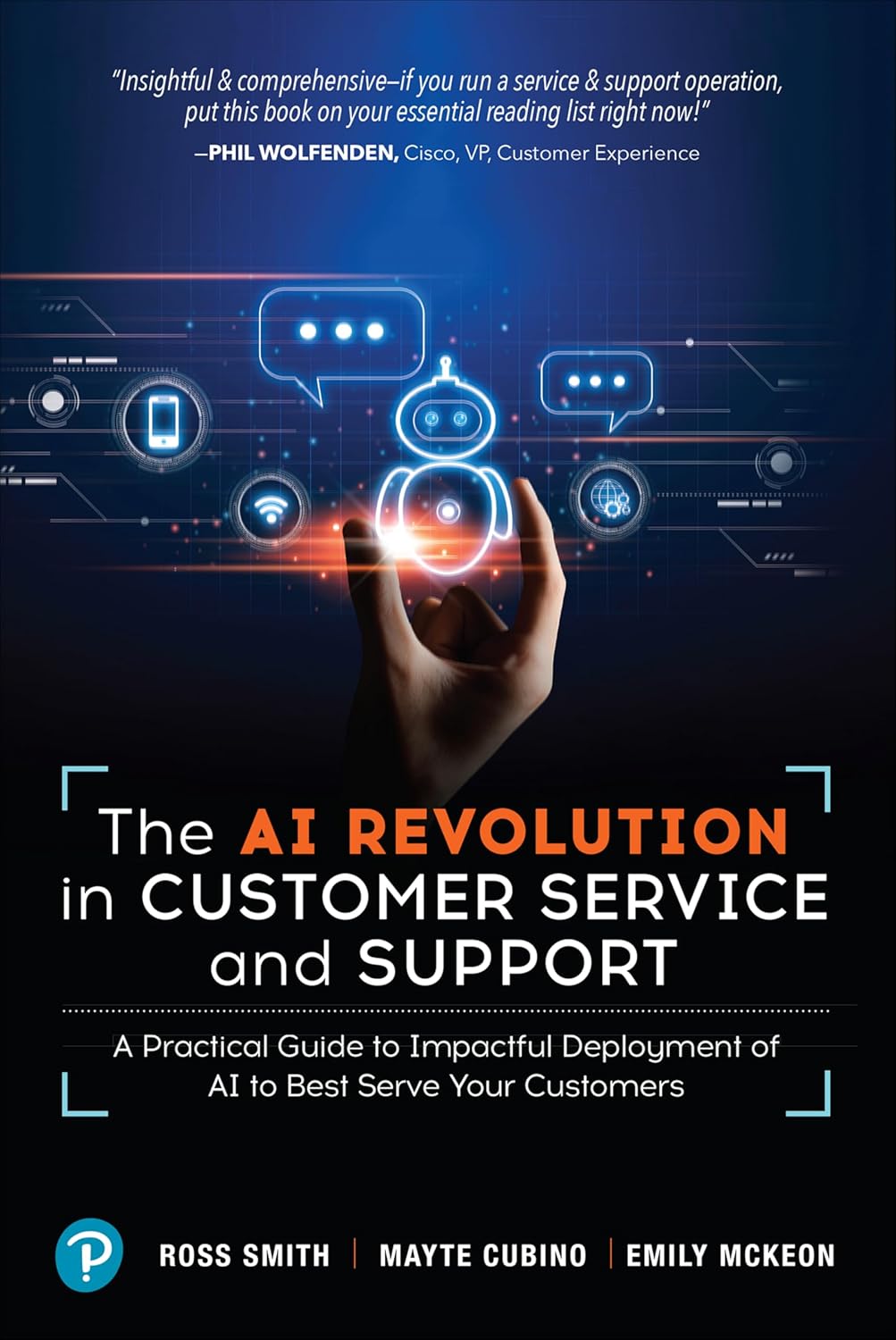 | The AI Revolution in Customer Service and Support: A Practical Guide to Impactful Deployment of AI to Best Serve Your Customers by Ross Smith, Mayte Cubino, and Emily Mckeon. If you want a deep dive into how to implement AI transformation into a specific industry / department, this is your book. |
 | Who Wrote This?: How AI and the Lure of Efficiency Threaten Human Writing By Naomi S. Baron An examination of why we write and what it all means. How will generative AI change how we write and by extension how we think? |
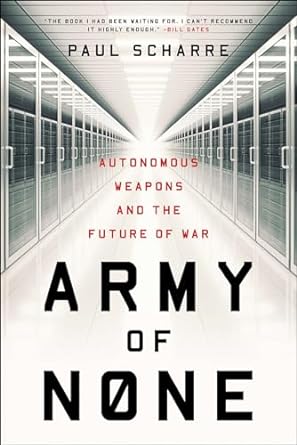 | Army of None: Autonomous Weapons and the Future of War by Paul Scharre AI fears can sometimes feel like an existential threat. It is much more real when autonomous weapons are designed to kill. If we no longer risk human life in our war efforts, will we engage in war more freely? |
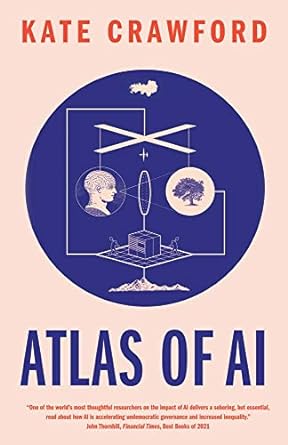 | Atlas of AI: Power, Politics, and the Planetary Costs of Artificial Intelligence by Kate Crawford An inconvenient truth for the technology industry in general and AI in particular. Who is paid to label data? Where do the raw materials come from to build the hardware to run AI? Who holds the power to make these decisions? |
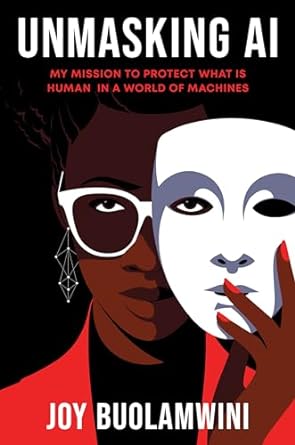 | Unmasking AI: My Mission to Protect What Is Human in a World of Machines by Joy Buolamwini The coded gaze. Already oppressed groups can be further excoded by AI systems. Neutral does not mean unbiased. Why should we trust closed AI systems let loose on society? |
 | Life is a Miracle: An Essay Against Modern Superstition by Wendall Berry This is not an AI book and was published in 2001, but it is relevant today. Why should we always assume technical advances cause progress and not regression? Should we do everything science is able to do? Who gets to decide? |
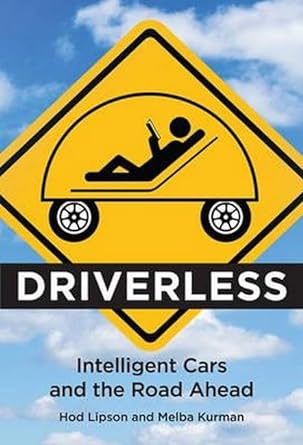 | Driverless: Intelligent Cars and the Road Ahead by Hod Lipson and Melba Kurman If an old lady steps in front of an autonomous vehicle, does it swerve into a crowd of young pedestrians to avoid her? A human driver could be forgiven for either choice made in the moment. It feels much different when we have time to encode our ethical choices in advance. |