AI has a Long History as a Therapist
AI chatbots engaging in therapy-style conversations may seem like a new phenomenon that emerged with ChatGPT and its ilk. But we actually have to go back to 1966 to find the first AI-based therapy bot. This system was named Eliza and utilized simple grammatical rules to provide appropriate conversational feedback to user input. Eliza was tested in a controlled experimental setting. Participants formed strong feelings of understanding and connection to Eliza, despite being told about its simple rule-based responses. We have a natural inclination to project meaning onto language, even when we know it was created by a machine.
Eliza’s creator Joseph Weizenbaum was genuinely surprised and also deeply disturbed by how participants responded to the program. He later referred to computer therapy as an “obscene idea” that undermined the human element that he found crucial for true therapy.
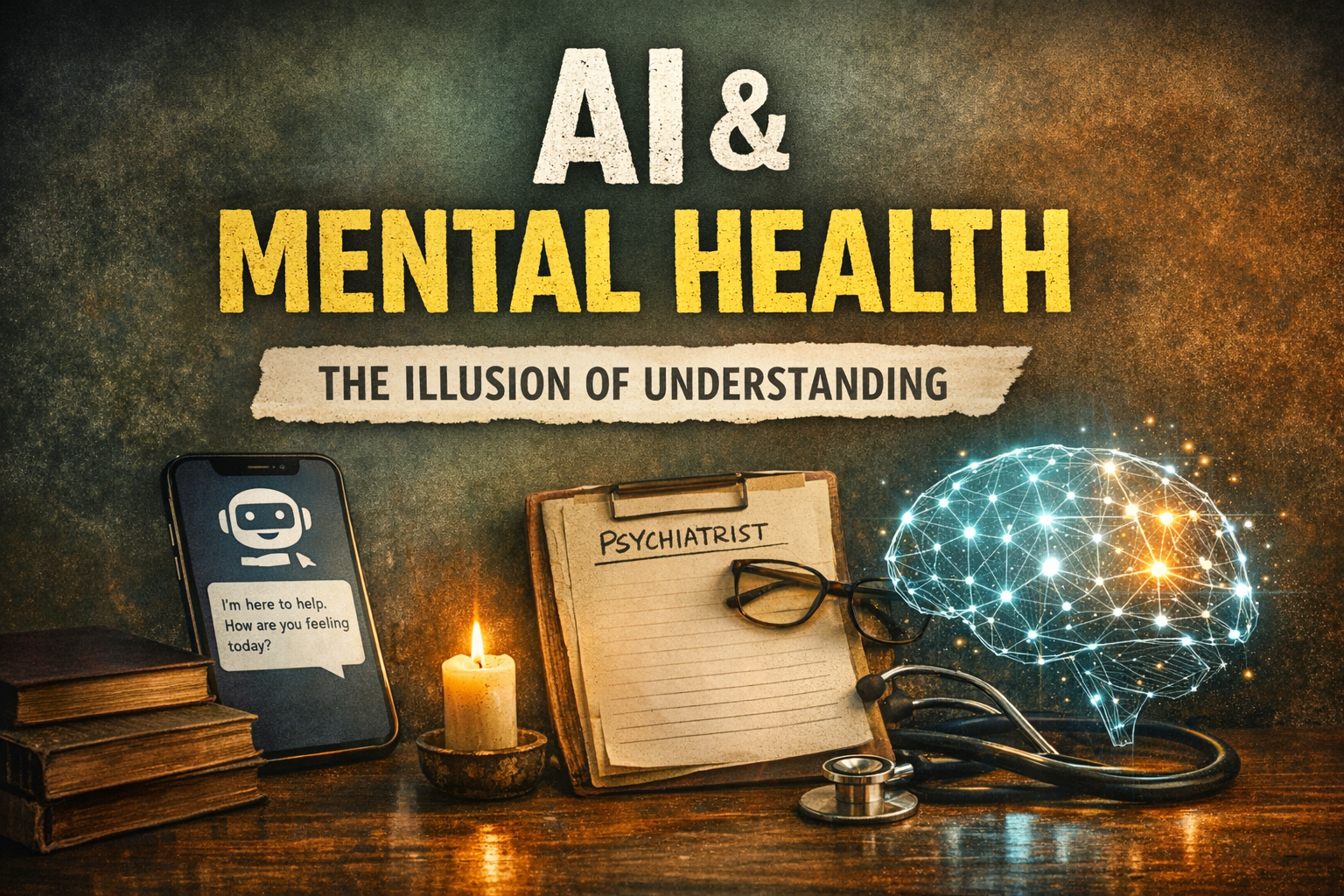
Modern AI chatbots can create much more sophisticated language than Eliza could. While they are not directly marketed for mental health support, that is often an implicit use case. While this can be helpful, there are significant risks and a lack of accountability when things go wrong. We are in the midst of a natural experiment on our mental health that lacks oversight and boundaries.
Check out my latest episode for more on AI in mental health.